
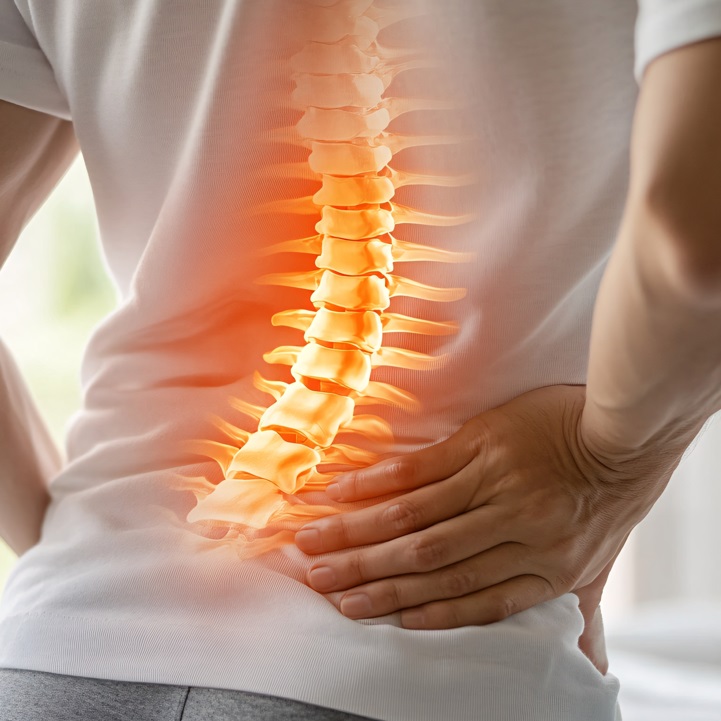
How to Choose the Right Mattress for Chronic Back Pain
How to Choose the Right Mattress for Chronic Back Pain and for Best Body Support
Published by Buy Now Pay Later Beds | Reading time: 8 minutes
If you wake up every morning with a stiff back, aching hips, or that familiar dull throb that follows you through the day, your mattress could be doing you more harm than good. Chronic back pain affects millions of people across the UK — and while there are many contributing factors, the surface you sleep on night after night is one of the most significant and most overlooked.
The right mattress won’t just improve your sleep. It can genuinely change your quality of life.
At Buy Now Pay Later Beds, we stock a premium range of high-quality mattresses designed to support your body where it matters most. And if you select Pay Monthly Mattresses with our interest-free finance over 12 months (subject to status and terms and conditions), investing in a mattress that truly works for your back has never been more accessible.
Here’s everything you need to know to make the right choice.
Why Your Mattress Matters More Than You Think
Most of us don’t replace our mattresses anywhere near as often as we should. The Sleep Foundation recommends replacing your mattress every six to eight years — yet many people sleep on the same mattress for a decade or more, long after it has lost its ability to properly support the spine.
An unsupportive mattress allows the spine to fall out of its natural alignment during sleep. Over hours, night after night, this creates cumulative strain on the muscles, ligaments, and discs of the lower back — often resulting in morning pain, stiffness, and fatigue that can persist throughout the day.
The right mattress keeps the spine in neutral alignment, distributes body weight evenly, and relieves pressure at key points — the shoulders, hips, and lower back — so your muscles can fully relax and recover overnight.
For people living with chronic back pain, this isn’t a nice-to-have. It’s essential.
The Key Factors to Consider When Choosing a Mattress for Back Pain
1. Firmness — It’s Not One-Size-Fits-All
One of the most persistent myths about back pain and mattresses is that you need an extra-firm bed to support your spine. In reality, the ideal firmness level depends on your body weight, sleep position, and the nature of your back pain.
What the evidence suggests:
- A medium-firm mattress tends to be the most widely recommended option for back pain sufferers, as it offers support whilst still contouring to the body’s natural curves.
- Lighter sleepers (under 65kg) often find a softer mattress more comfortable, as a firmer surface can create pressure points rather than relieve them.
- Heavier sleepers (over 90kg) typically benefit from a firmer mattress, as softer materials may compress too much and allow the hips to sink excessively, misaligning the spine.
The key is balance: your mattress should be firm enough to support your lower back, but cushioned enough to allow your shoulders and hips to sink slightly into their natural position.
2. Mattress Type — Understanding Your Options
Not all mattresses are built the same, and for back pain sufferers, the internal construction matters enormously. Here’s a breakdown of the main mattress types and how they perform for spinal support:
Pocket Sprung Mattresses Pocket sprung mattresses contain individual fabric-encased coils that move independently of one another. This allows the mattress to respond to the contours of your body with precision, offering targeted support rather than uniform firmness across the entire surface.
For back pain, a high-quality pocket sprung mattress — particularly one with a higher spring count (1,000 or above) — is widely regarded as one of the best options available. The independent spring action supports the lumbar region whilst allowing the hips and shoulders to sink naturally into alignment.
Our premium pocket sprung mattresses at Buy Now Pay Later Beds are crafted with this exact principle in mind — combining superior spring counts with high-grade comfort layers for a sleep surface that truly supports your spine.
Memory Foam Mattresses Memory foam mattresses are pressure-relieving by design. It responds to body heat and weight, moulding to your exact shape and distributing pressure evenly across the surface. For back pain sufferers who also experience hip or shoulder pain, memory foam can be transformative.
The caveat: some people find that lower-density memory foam allows the hips to sink too deeply, which can exacerbate lower back pain. Our premium memory foam mattresses use high-density foam with zoned support layers — firmer beneath the lumbar and hips, softer beneath the shoulders — to address this precisely.
Hybrid Mattresses Hybrid mattresses combine the best of both worlds: a pocket sprung base for responsive support and bounce, topped with comfort layers of memory foam, latex, or natural fibres. For chronic back pain sufferers, a premium hybrid is often the gold standard — offering targeted pressure relief alongside the structural support that springs provide.
Our luxury hybrid collection at Buy Now Pay Later Beds represents the pinnacle of sleep technology, engineered for those who refuse to compromise on comfort or support.
Latex Mattresses Natural latex mattresses are resilient, responsive, and naturally hypoallergenic. They offer a buoyant, supportive feel that differs from the slow-moulding sensation of memory foam — springing back quickly rather than conforming gradually. Many back pain sufferers find latex particularly beneficial for combination sleeping (moving between positions throughout the night), as the mattress responds immediately to changes in position.
3. Sleep Position — A Critical Variable
Your dominant sleep position has a direct impact on which mattress type and firmness level will best support your spine.
Back Sleepers Sleeping on your back is generally considered the most spine-friendly position, provided the mattress supports the natural curve of the lumbar spine. A medium-firm mattress works well for most back sleepers. Look for a mattress with a slightly softer lumbar zone to support the inward curve of the lower back without flattening it.
Side Sleepers Side sleeping is the most common position in the UK, but it places significant pressure on the hips and shoulders. A mattress that’s too firm will create pressure points at these locations, potentially worsening pain. Side sleepers with back pain typically benefit from a medium to medium-soft mattress with excellent pressure relief at the hips and shoulders.
Front Sleepers Sleeping on your stomach is widely considered the least back-friendly position, as it places the neck and lumbar spine in an unnatural position for hours at a time. If front sleeping is unavoidable, a firmer mattress is preferable — it prevents the hips from sinking, which is the primary cause of lumbar strain in this position.
4. Temperature Regulation — More Relevant Than You Might Think
Overheating during sleep disrupts deep sleep cycles — the very stages during which the body does its most important repair work, including muscle recovery and inflammation reduction. For chronic back pain sufferers, reaching and maintaining deep sleep is crucial.
Look for mattresses with breathable comfort layers — natural wool, cotton, or open-cell foam — rather than dense, heat-retaining synthetic materials. Our premium mattress range incorporates temperature-regulating materials specifically chosen to promote cooler, deeper, more restorative sleep.
5. Edge Support and Motion Transfer
Two often-overlooked features that matter more than most people expect:
Edge support: A mattress with strong edge support allows you to use the full sleeping surface, which is particularly important for back pain sufferers who may need to sit on the edge of the bed to get up safely in the morning. Reinforced perimeter springs or high-density foam edges prevent the uncomfortable sinking sensation at the sides.
Motion isolation: If you share your bed with a partner, a mattress with good motion isolation means their movements won’t disturb your sleep. For back pain sufferers, interrupted sleep is particularly damaging — so this feature is worth prioritising.
How Much Should You Spend on a Mattress for Back Pain?
This is one of the most frequently asked questions — and the honest answer is: more than you might expect, and less than you might fear.
A quality mattress that genuinely addresses back pain sits in the mid-to-premium price range for good reason. The materials, construction, and engineering that go into a truly supportive mattress are not achievable at budget price points. A cheap mattress may feel adequate initially, but within a year or two it will have lost its structural integrity — and with it, the support your back depends on.
Consider the maths: a premium mattress costing £800–£1,500, replaced every eight years, works out at roughly 27–51 pence per night. That’s a fraction of what most people spend on daily coffee — and the return on investment, measured in pain-free mornings and genuine restorative sleep, is incalculable.
At Buy Now Pay Later Beds, our premium mattress range is priced to reflect the quality and craftsmanship within — and with our 0% interest-free finance over 12 months (subject to status and terms and conditions apply), you can bring home a genuinely back-supporting mattress today and spread the cost across manageable monthly payments. Spend responsibly, and invest in what truly matters.
Red Flags: Signs Your Current Mattress Is Making Your Back Pain Worse
Not sure whether your mattress is contributing to your pain? Watch out for these warning signs:
- You wake up in more pain than when you went to bed — your body should recover overnight, not deteriorate
- Your mattress is visibly sagging or has lumps — structural breakdown means it can no longer support spinal alignment
- You sleep better in hotels or at other people’s houses — a strong indicator that your own mattress is the problem
- Your mattress is over seven years old — even a mattress that looks fine may have lost its internal support structure
- You toss and turn throughout the night — constant repositioning often signals that the body is searching for a comfortable, supported position
If any of these sound familiar, it’s time to make a change.
Our Premium Mattress Recommendations for Back Pain
At Buy Now Pay Later Beds, we’ve curated a range of premium mattresses specifically chosen for their back-support credentials. Whether you’re a back sleeper in need of lumbar reinforcement, a side sleeper requiring pressure relief at the hips, or a combination sleeper who needs a mattress that adapts as you move, we have the right option for you.
Our top-tier mattresses feature:
- High spring counts (1,000–2,000+ individually wrapped pocket springs) for precise, targeted support
- Zoned support systems that provide firmer resistance beneath the lumbar and hips
- Premium comfort layers in memory foam, natural latex, and climate-regulating wool and cotton
- Reinforced edge support for a full, usable sleep surface
- Extended warranties — because quality mattresses are built to last
Browse our full premium mattress range today and find the one that will finally give your back the support it deserves.
Frequently Asked Questions
What firmness mattress is best for lower back pain? For most back pain sufferers, a medium-firm mattress offers the best balance of support and pressure relief. However, the ideal firmness also depends on body weight and sleep position — lighter side sleepers may benefit from a softer option, whilst heavier back sleepers may need something firmer.
Can a new mattress really help with chronic back pain? Yes — significantly, in many cases. Research consistently shows a link between mattress quality and back pain outcomes. A mattress that properly supports spinal alignment reduces the cumulative strain placed on the muscles and discs of the lower back during sleep.
How long does it take to adjust to a new mattress? Most people require two to four weeks to fully adjust to a new sleep surface. If pain persists beyond this period, it may be worth reassessing the firmness or type of mattress chosen.
Is a pocket sprung or memory foam mattress better for back pain? Both can be excellent choices, depending on your needs. Pocket sprung mattresses offer responsive, targeted support. Memory foam excels at pressure relief. A premium hybrid combining both technologies is often the best all-round solution for chronic back pain sufferers.
Can I buy a premium mattress on finance? At Buy Now Pay Later Beds, our 0% interest-free finance over 12 months means you can invest in a premium back-supporting mattress without paying everything upfront. Subject to status and terms and conditions apply. Please spend responsibly.
Finance is subject to status. Terms and conditions apply. Please spend responsibly. For independent financial advice, visit MoneyHelper.org.uk.
© Buy Now Pay Later Beds. All rights reserved.